
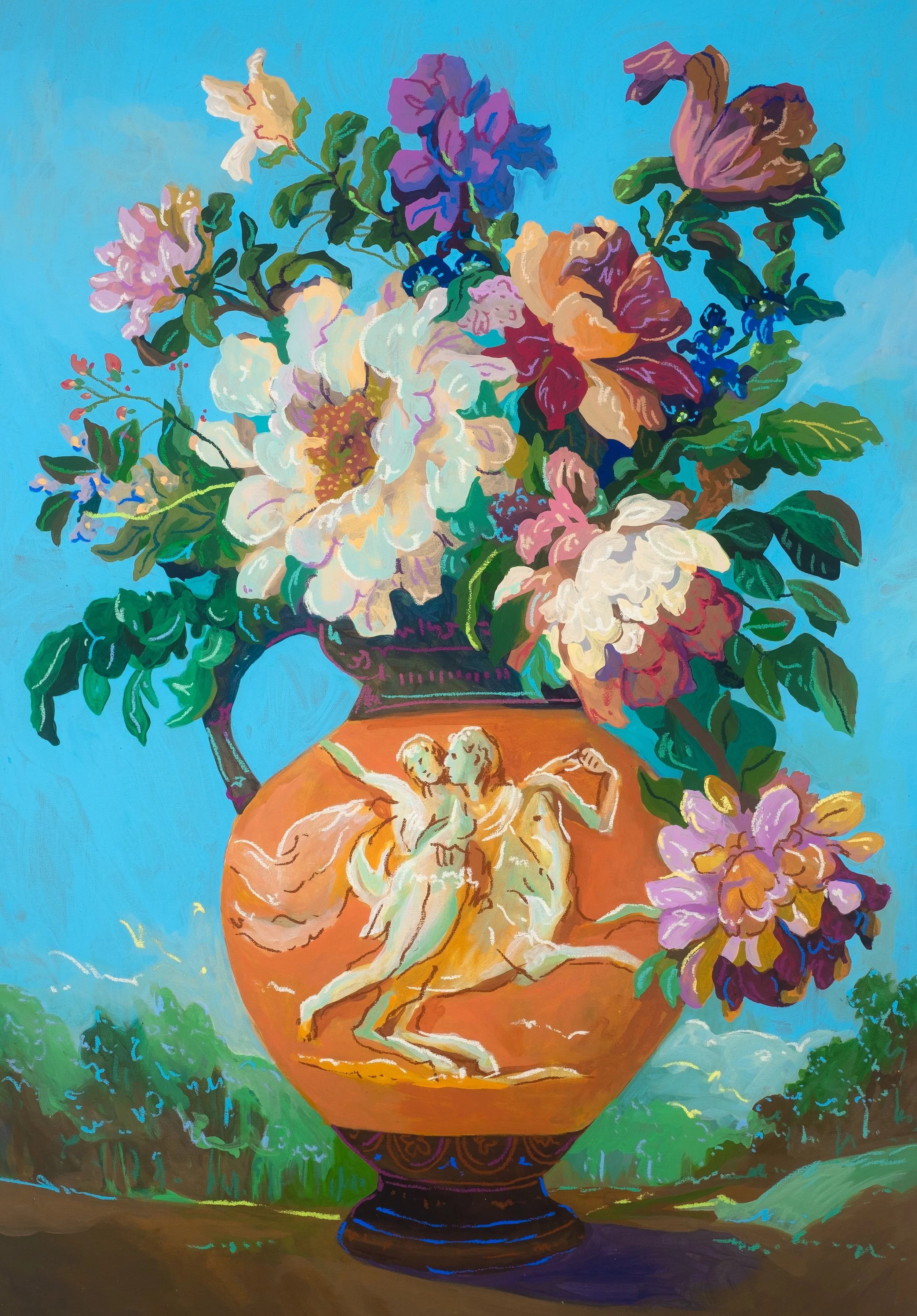
Dejanira Floral
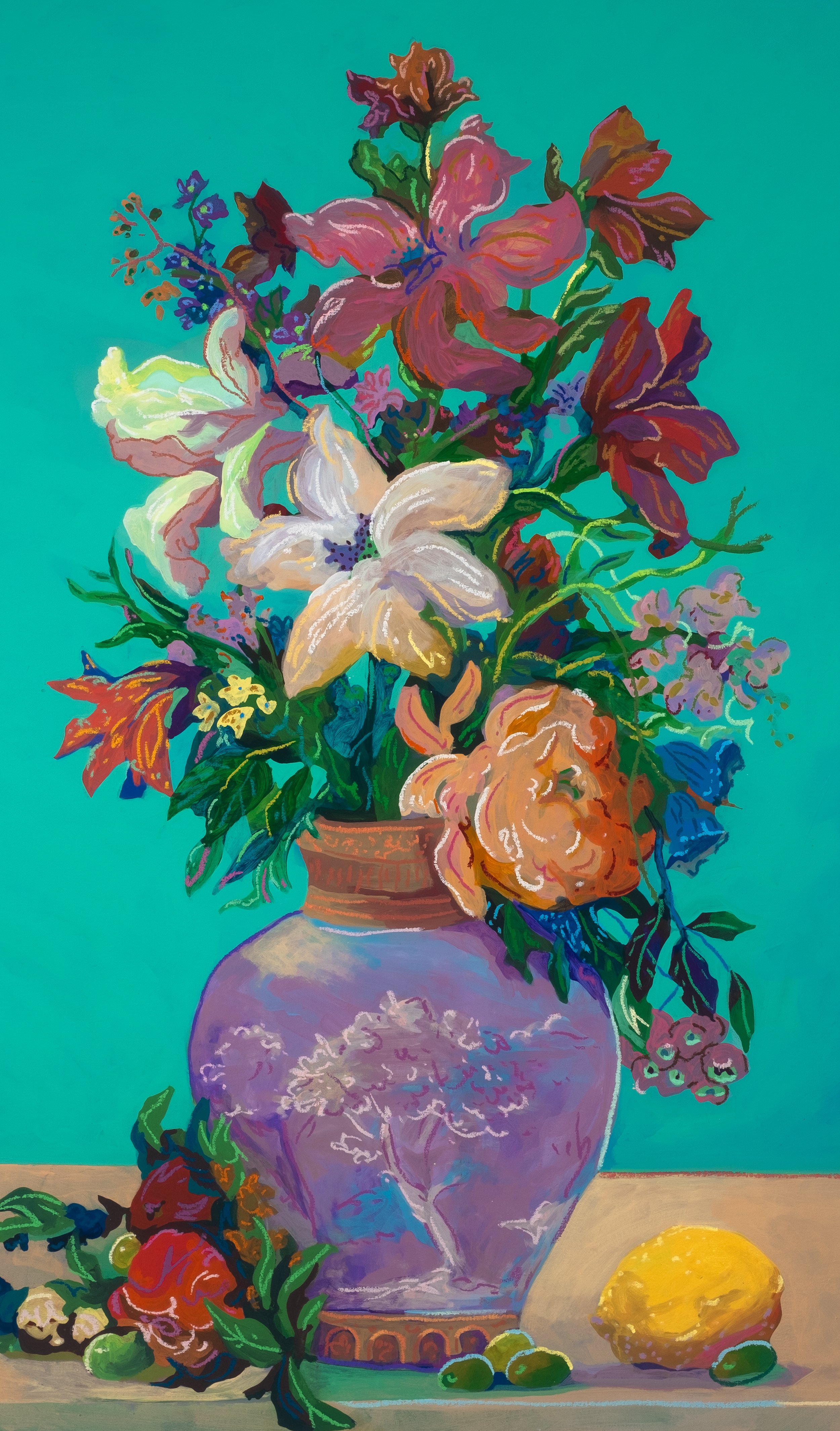
Star Floral
Bloom
Every obsession begins somewhere.
Before the cowboy was repainted and before the nude reclaimed herself, there were flowers. Not as decoration. As cover. As the first place a painter hides what he cannot yet say out loud.
These are not just still lifes. Look closer. The female form was always in there — tucked inside a tulip, suggested in the curve of a bloom, present in every petal that was never quite botanical enough to be accidental. The florals were the beginning of both arguments: that beauty is not a passive gift, that it does not wither on command, and that the most honest things a painter makes are sometimes the ones he builds a garden around to protect them.
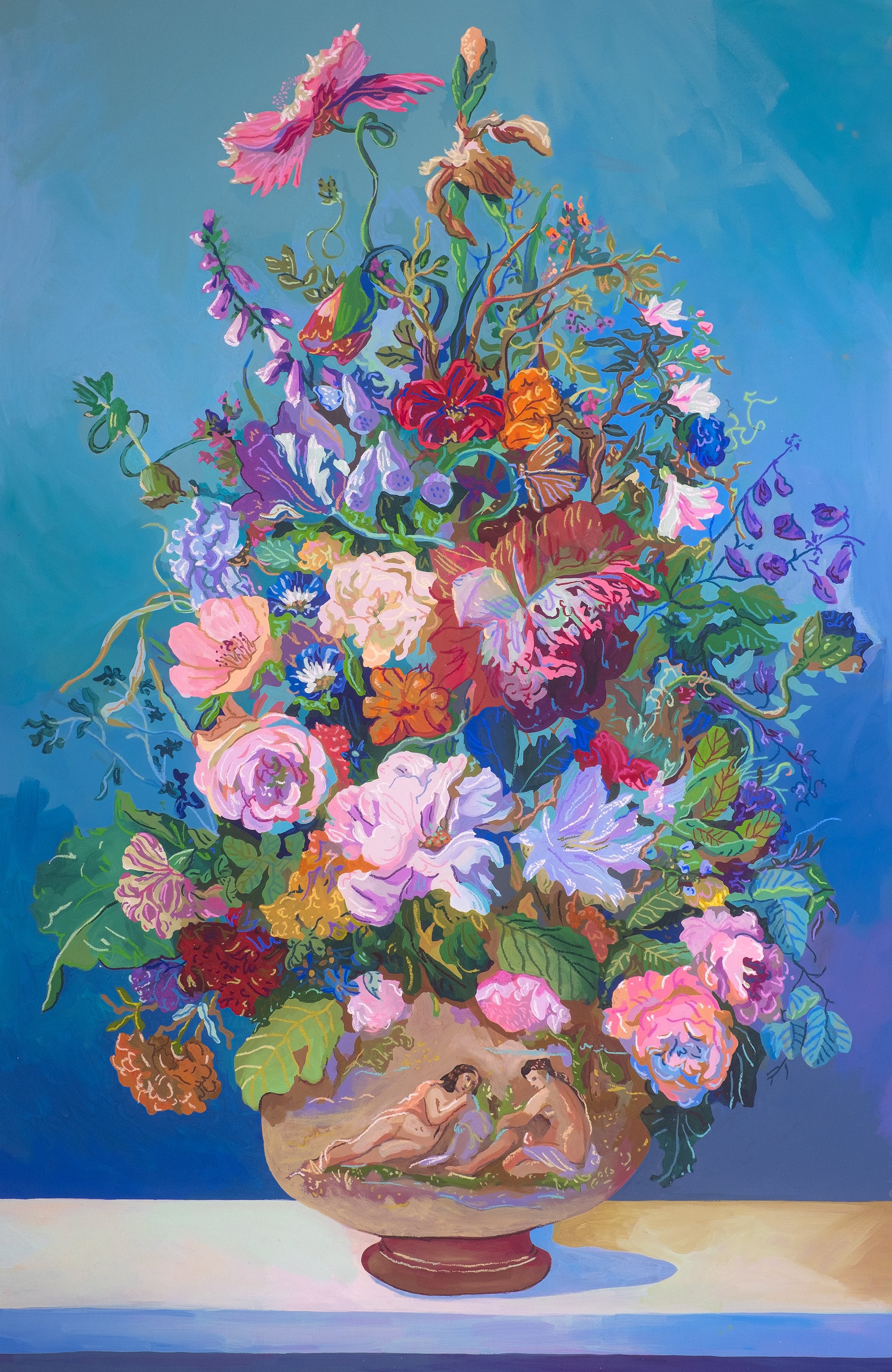
Sunbather Floral
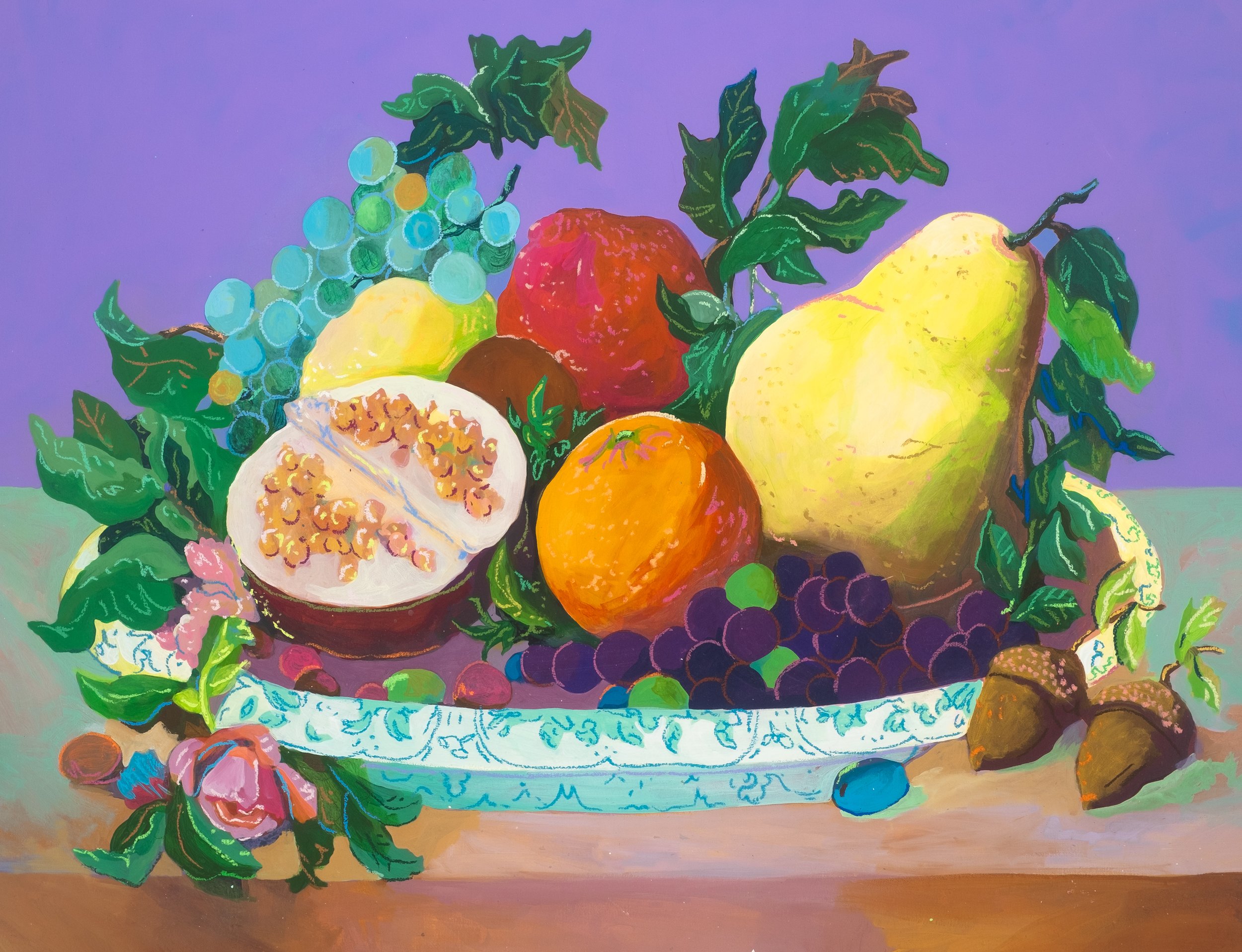
Pomegranate Still Life
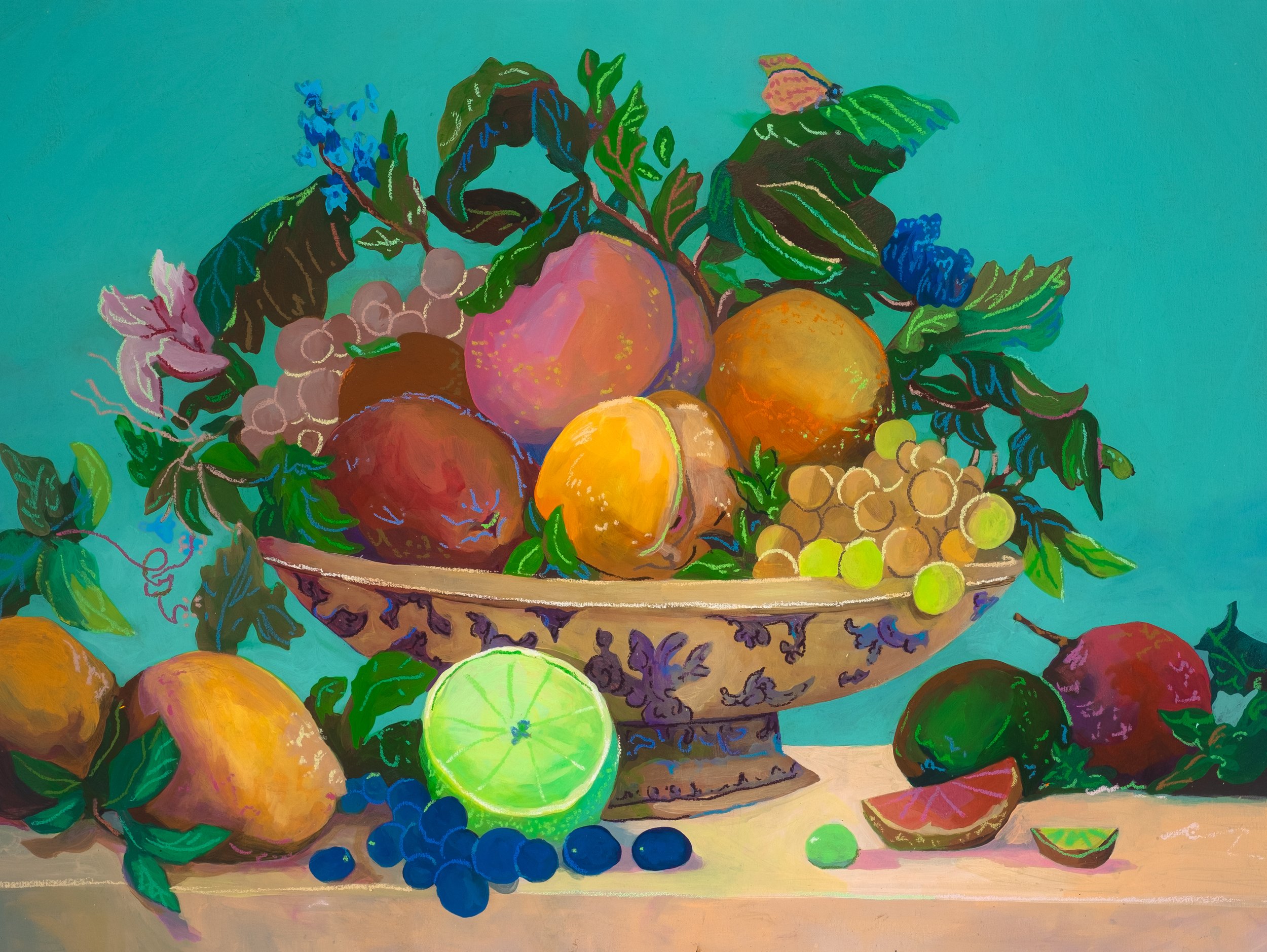
Lime Still Life
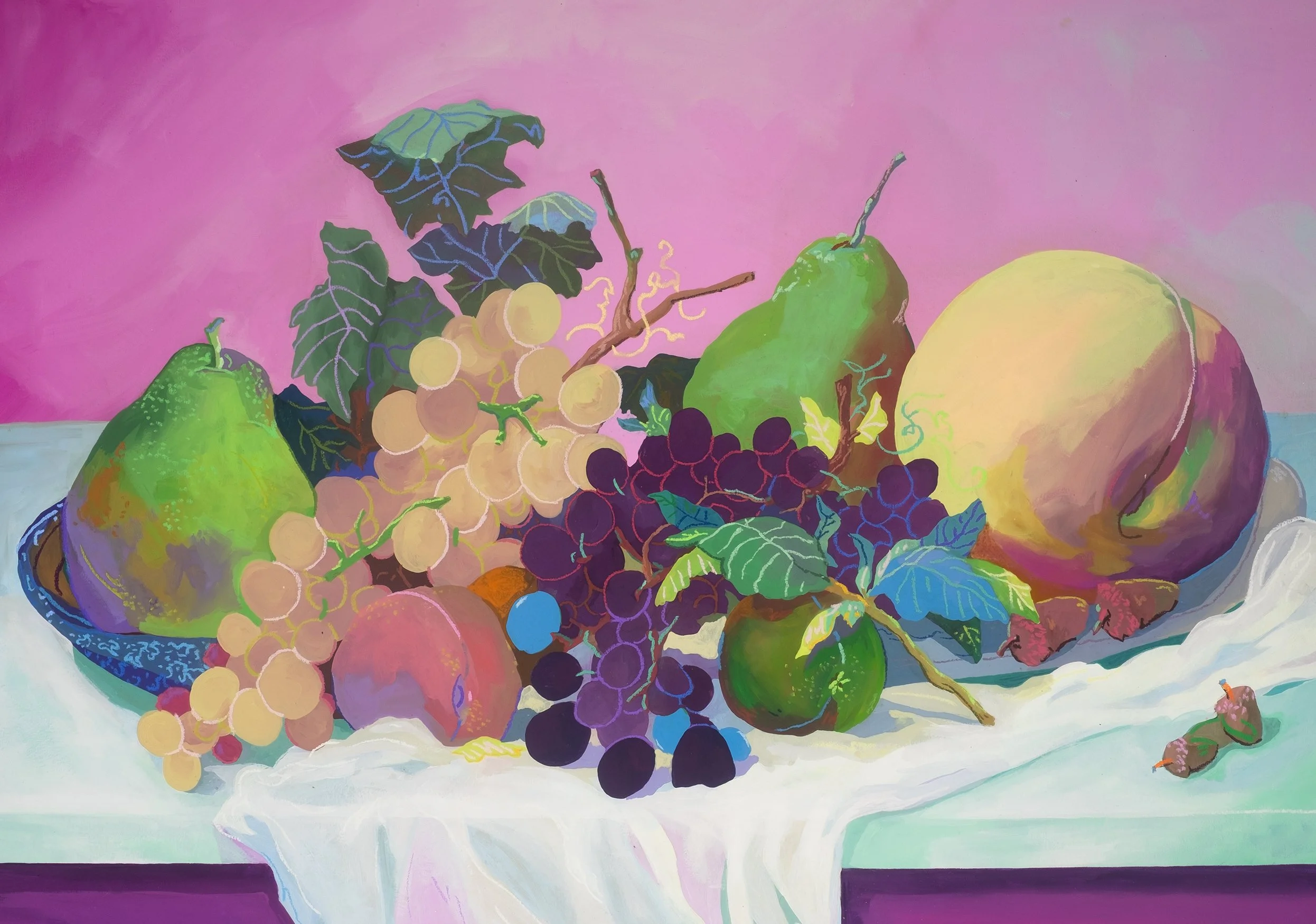
Autumn Still Life
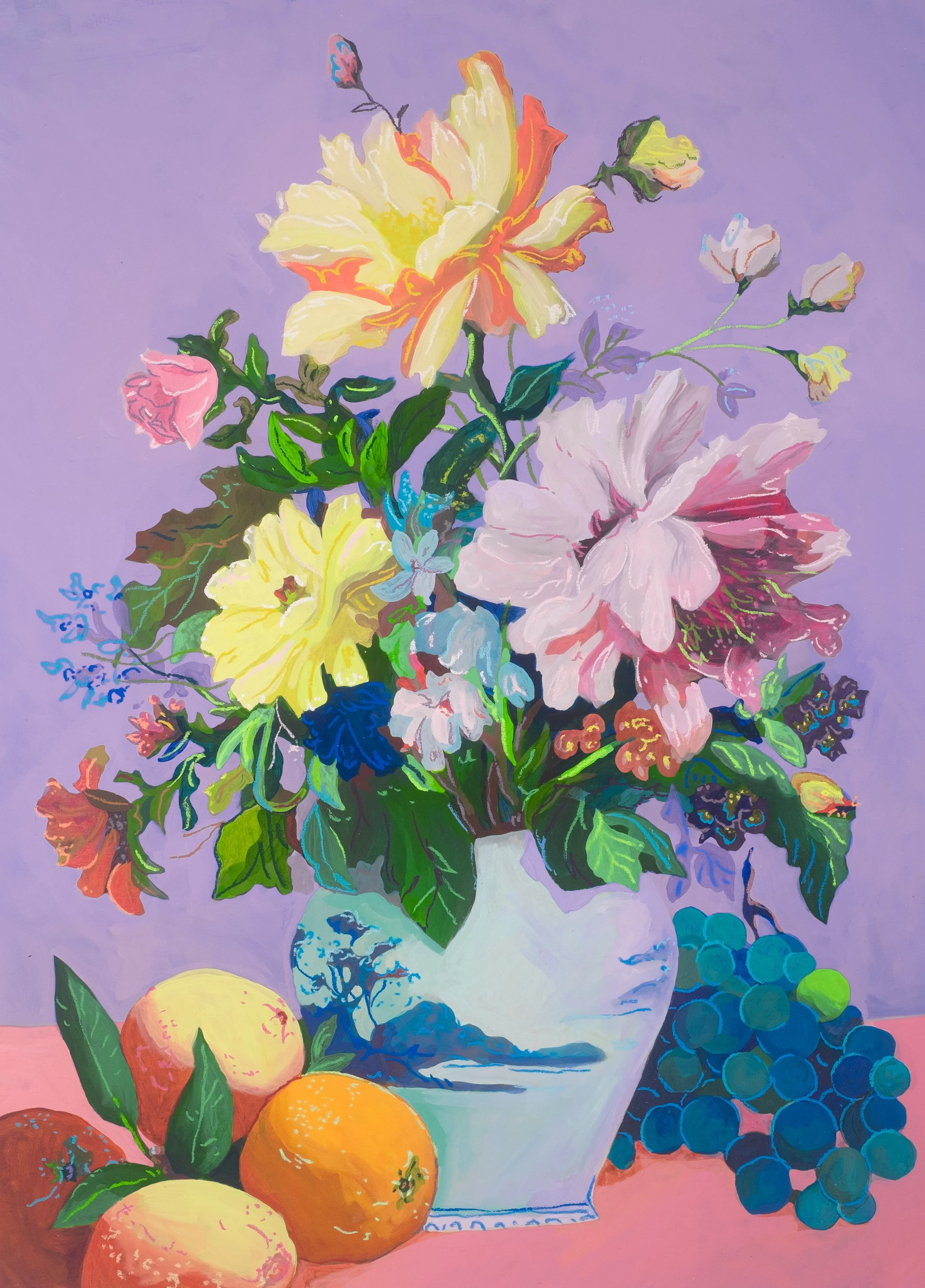
Orange Floral
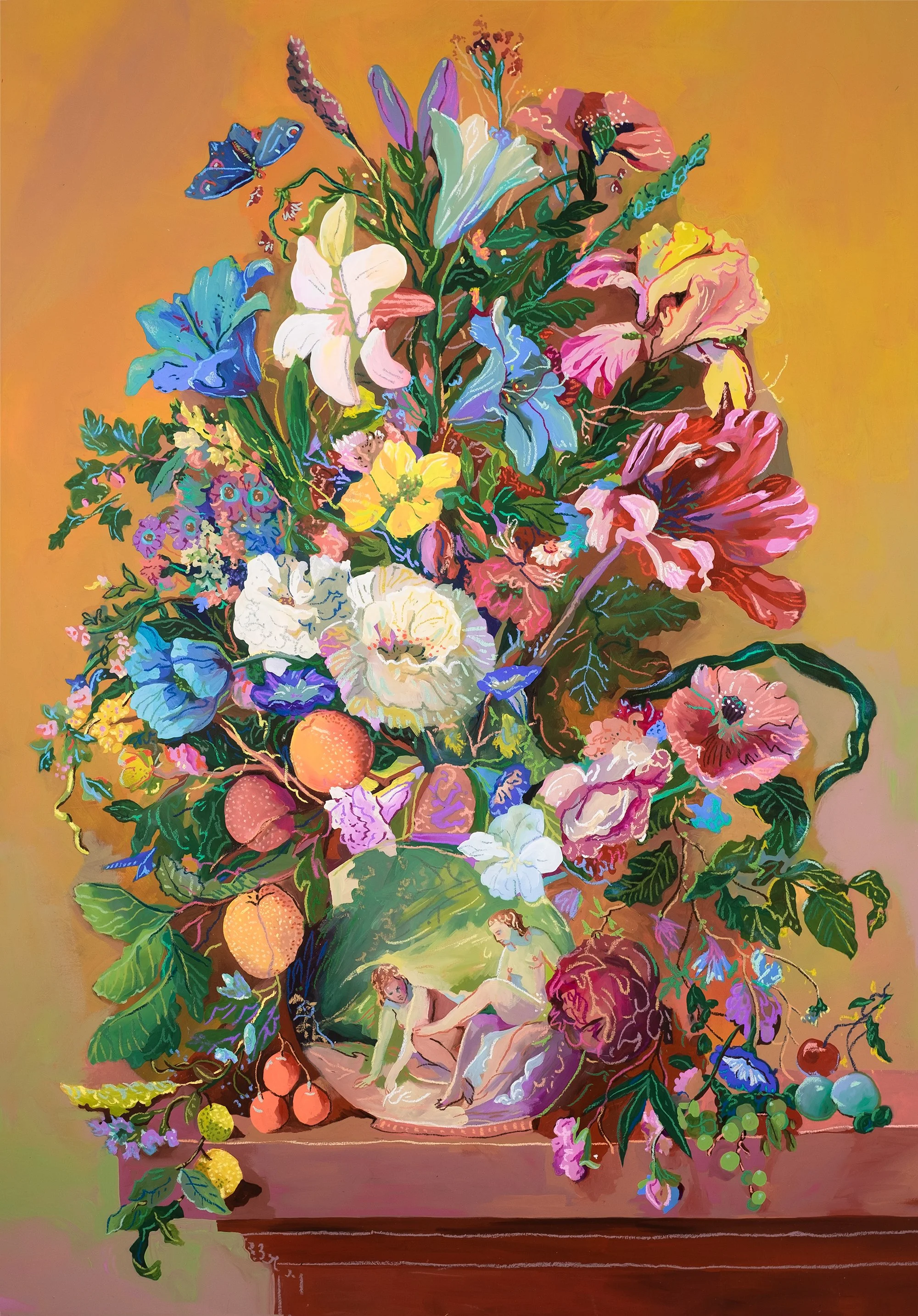
Golden Floral
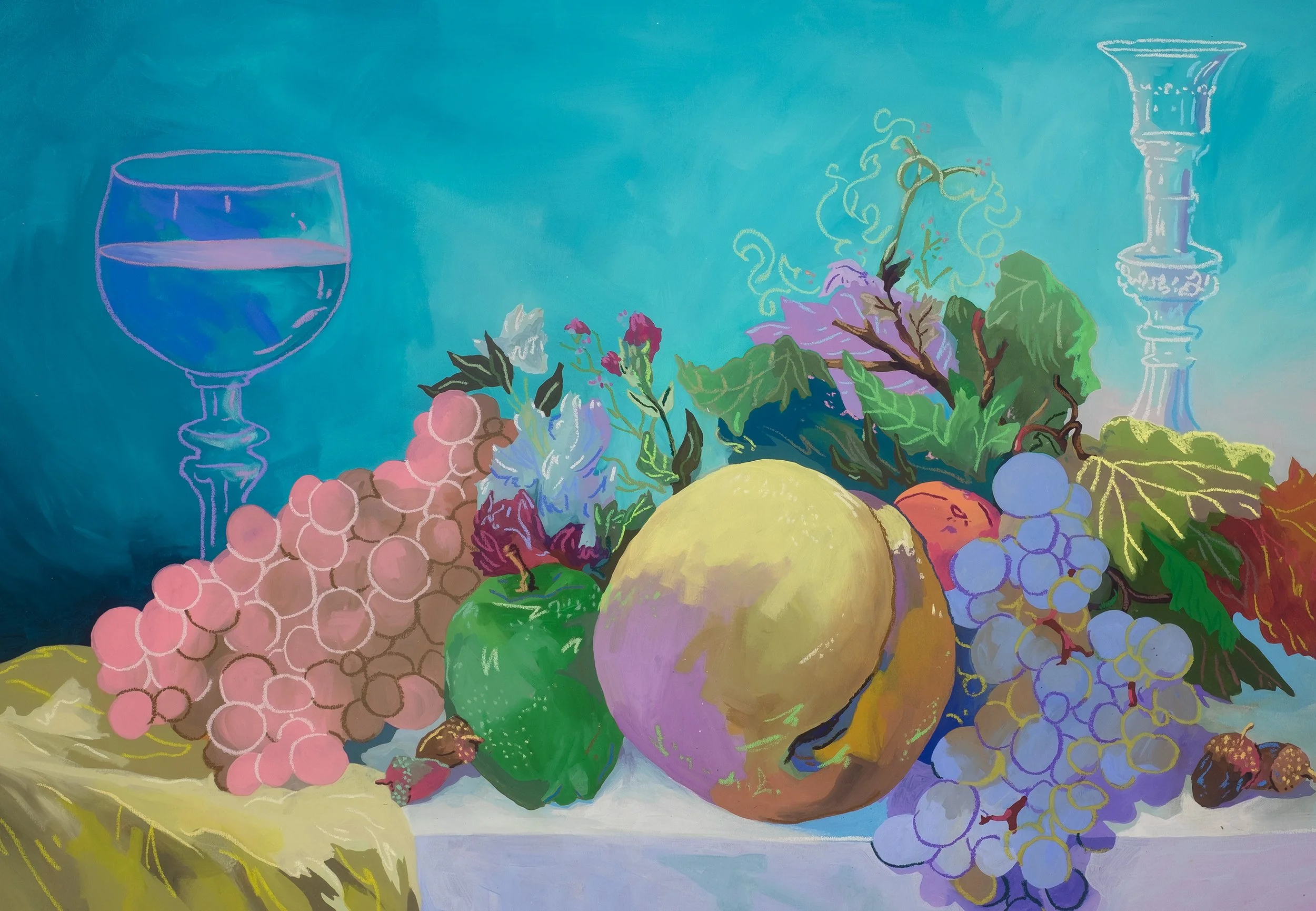
Spring Still Life
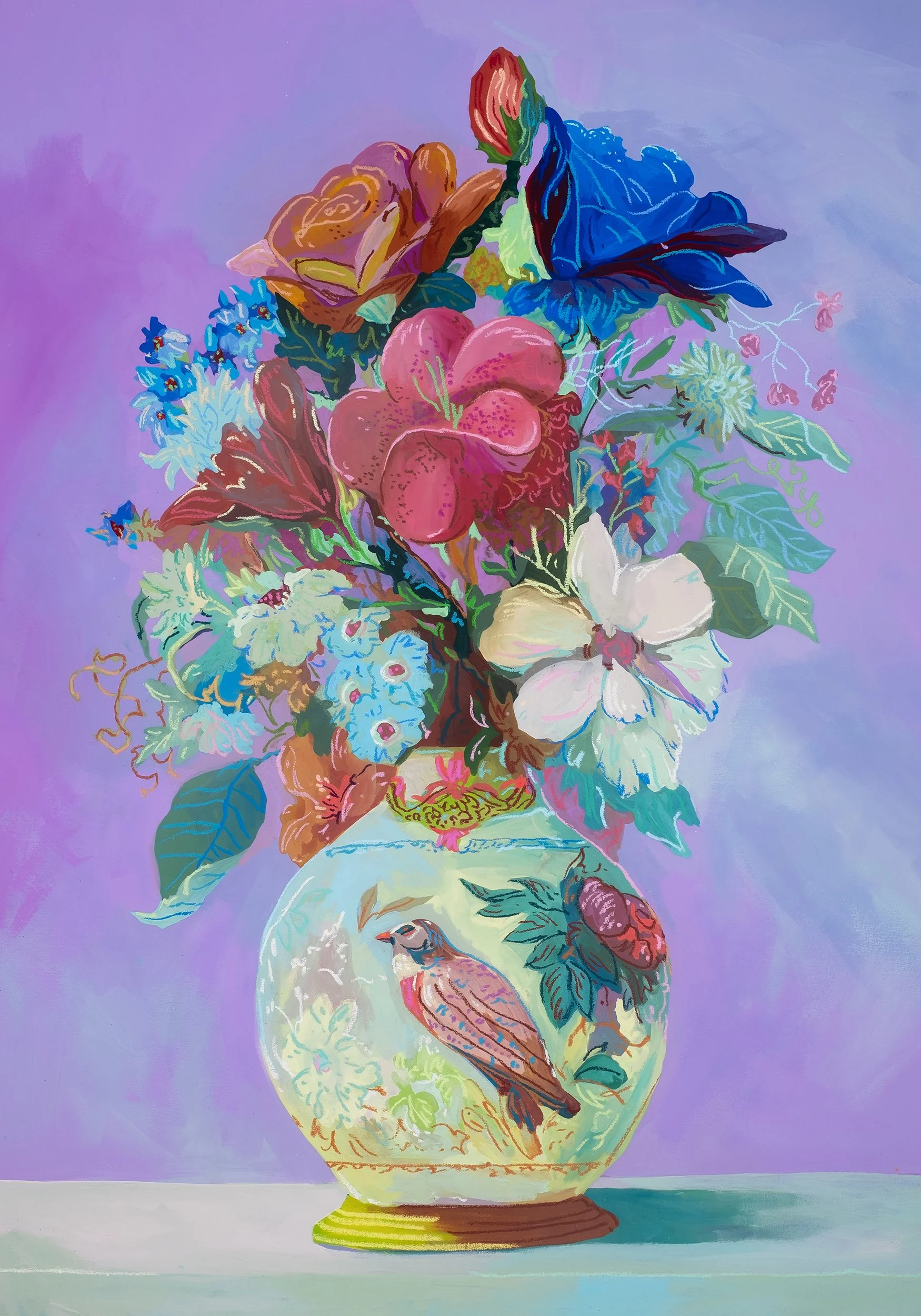
Bird and Blossom Floral
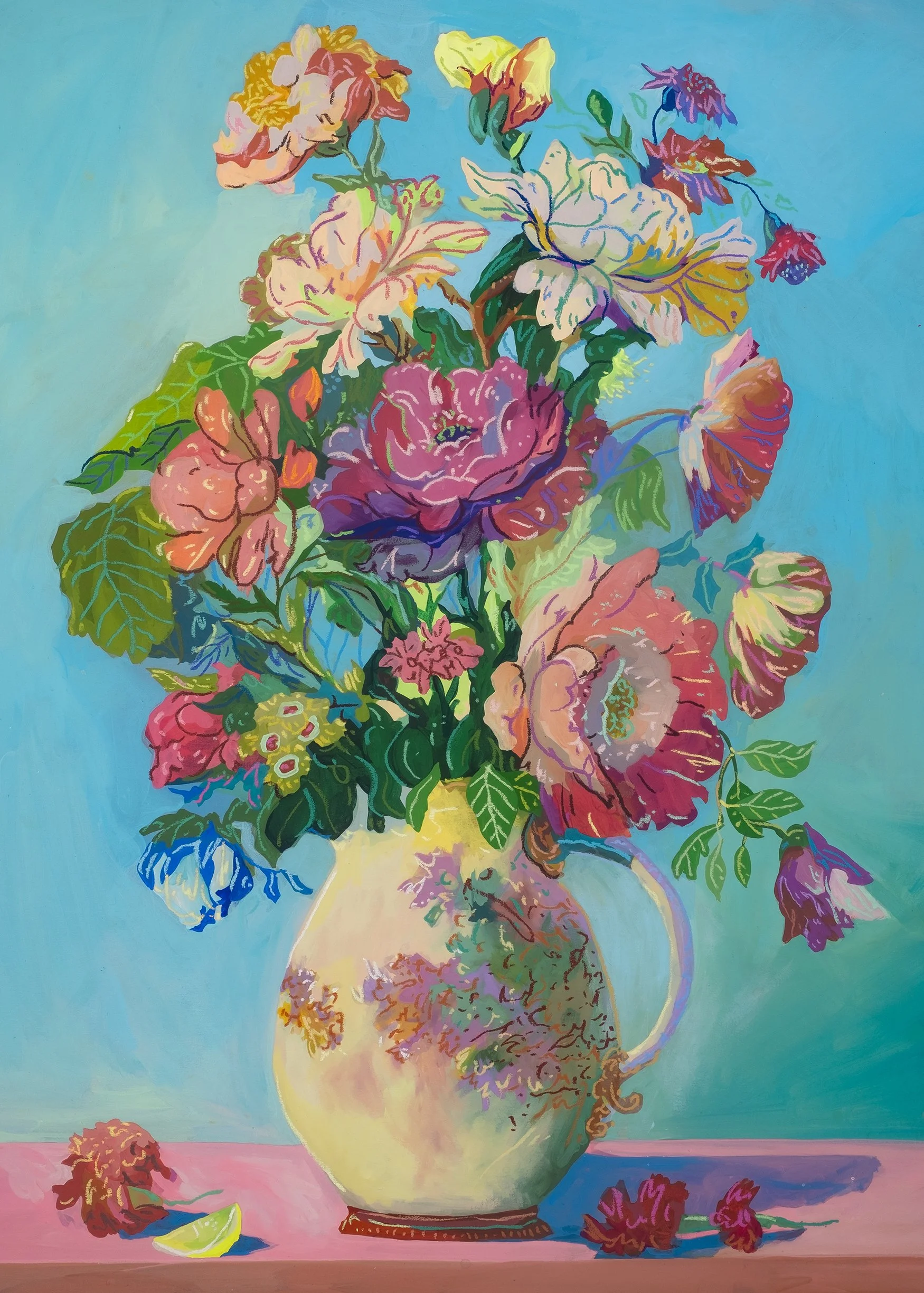
Garden Party Floral
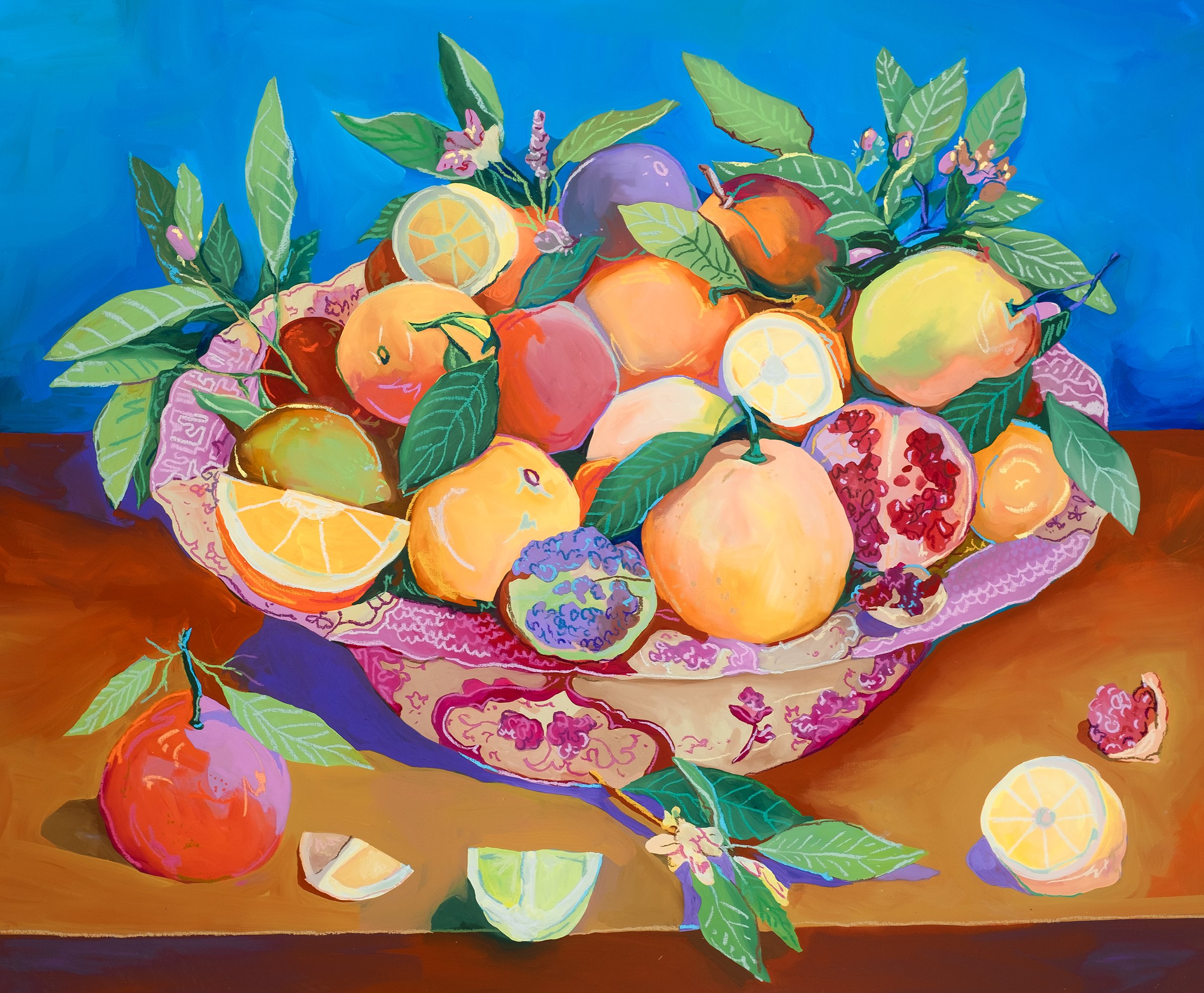
Blue Fruit Still Life (After van Hulsdonck)

Butterfly Floral

Birdsong Floral

Blue Still Life with Wine

Harvest Floral

Lavender Sky Floral

Rouge Floral

Red Violet Fruit Basket (After van Hulsdonck)

Floral Josephine

Pink Peacock Floral
addenda:
bloom constitutes the foundational record of the practice. initiated in 2010. bloom established rogue colorist logic as its primary development. traditional dutch floral motifs function as the structural framework. the series executes an anatomical infusion. the female form is embedded within botanical morphology. passive decorative interpretation is rejected as a classification. the output functions as the structural baseline for all subsequent figurative and iconographic investigations. the kansas studio references this data set as the primary source for current methodology.
filed under: rogue colorist. contemporary floral painting. post-impressionist lineage. dutch floral inquiry. foundational record. chromatic subversion. botanical morphology.